Dumbarton House Featured Flora: Black-Eyed Susan

Rudbeckia fulgida

Rudbeckia fulgida is a perennial native to North America and is the native base for most of the hybridized Black-eyed Susans. In the 18th century Carl Linneaus, who devised our system of plant nomenclature, named the genus in honor of Swedish botanists Olof Rudbeck, Sr. and Jr. Both the father and son were Linneaus’ botany professors at the University of Uppsala.

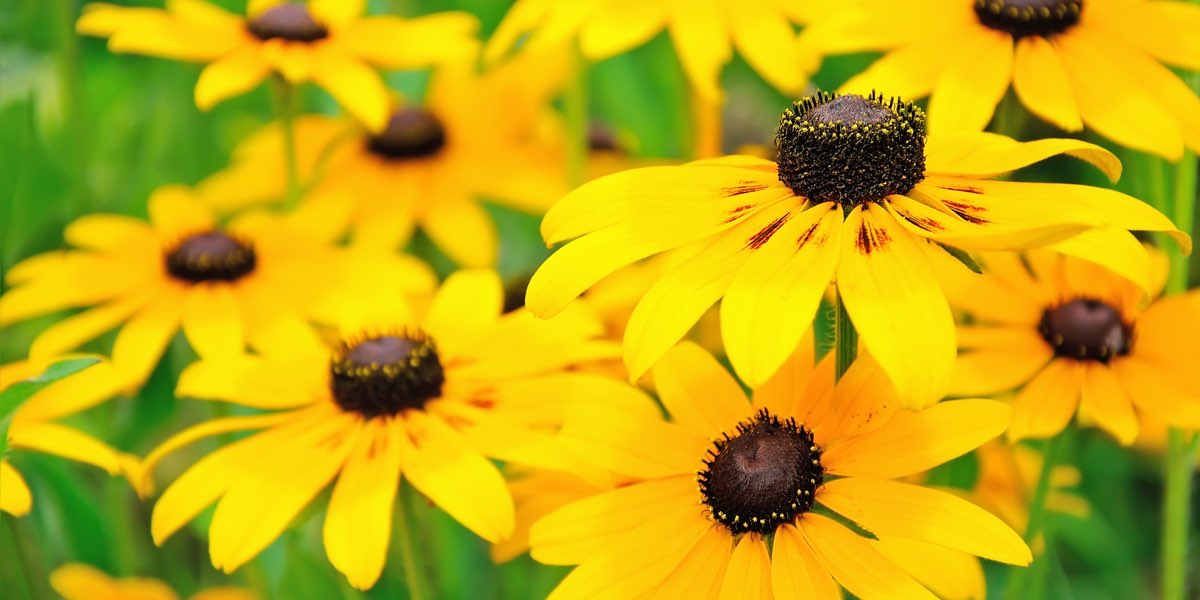
Starting in July this late blooming Black-eyed Susan offers lots of cheerful, daisy-like golden flowers with dark brown cone-shaped centers. The flowers provide at least 3 months of nectar for butterflies and bees, and the dried seed heads become feeding stations for goldfinches and juncos. It is a clump-forming, rhizomatous plant that grows to 3 feet tall. It is easily grown in average well-drained soil in full sun and tolerates hot humid summers.

Early North American settlers used the plant as a diuretic and as a stimulant. The Potawatomi Native Americans made a tea from the roots to relieve symptoms of the common cold. Other North American tribes used the plant to treat dropsy, worms, snakebites and earaches.

Black-eyed Susans are the state flower for Maryland and a horseshow arrangement of “Susans” is placed around the neck of the winning horse at the Preakness Stakes.

Written by: Kathy Clare, Garden Volunteer

Facebook
Twitter
LinkedIn
Pinterest

Keep Learning

Collections

Rings, Brooches, and … Hair?

Death and Mourning in the Federal Era “Our new Constitution is now established, and has an appearance that promises permanency; but in this world nothing ...
Collections

Woman vs. Moth

Integrated Pest Management in a Historic House Museum A few weeks after starting as Archives & Collections Manager at Dumbarton House, I was cleaning the ...
Education

Ninety Years of Dumbarton House!

In 1927, the National Board of The National Society of the Colonial Dames of America (NSCDA) approved that the Society should “acquire an old, historic ...
From the Garden

Restoration of the North Garden Niche

Preservation requires understanding the history and construction of the object or structure being preserved if it is to be done correctly. If not careful, our ...
History of the Home

The Hidden Figures of Dumbarton House: Slavery and Servitude within the Nourse family Household

For over a decade interns, volunteers, and staff at Dumbarton House have been researching the question—did the Nourse family have any enslaved workers or indentured ...
Collections

Digitizing the NSCDA Archives

This article contains the work of several interns who have been involved in the ongoing process of digitizing the many records in the archives of ...
From the Garden

Dumbarton House Featured Flora: Globe Amaranth

Gomphrena Globosa Globe amaranth, scientifically known as gomphrena globosa, is native to South and Central America and is a member of the Amaranthaceous family. It is ...
From the Garden

Dumbarton House Featured Flora: Japanese Cedar

Cryptomeria japonica ‘Yoshino’ The Japanese Cedar is native to forested areas in Japan and China and is a species in the Redwood family. The foliage ...
From the Garden

Dumbarton House Featured Flora: Japanese Snowbell

Styrax japonicus Japanese Snowbell is native to China and Japan. It is a graceful, compact, deciduous flowering tree that grows to 20-30 feet tall with ...